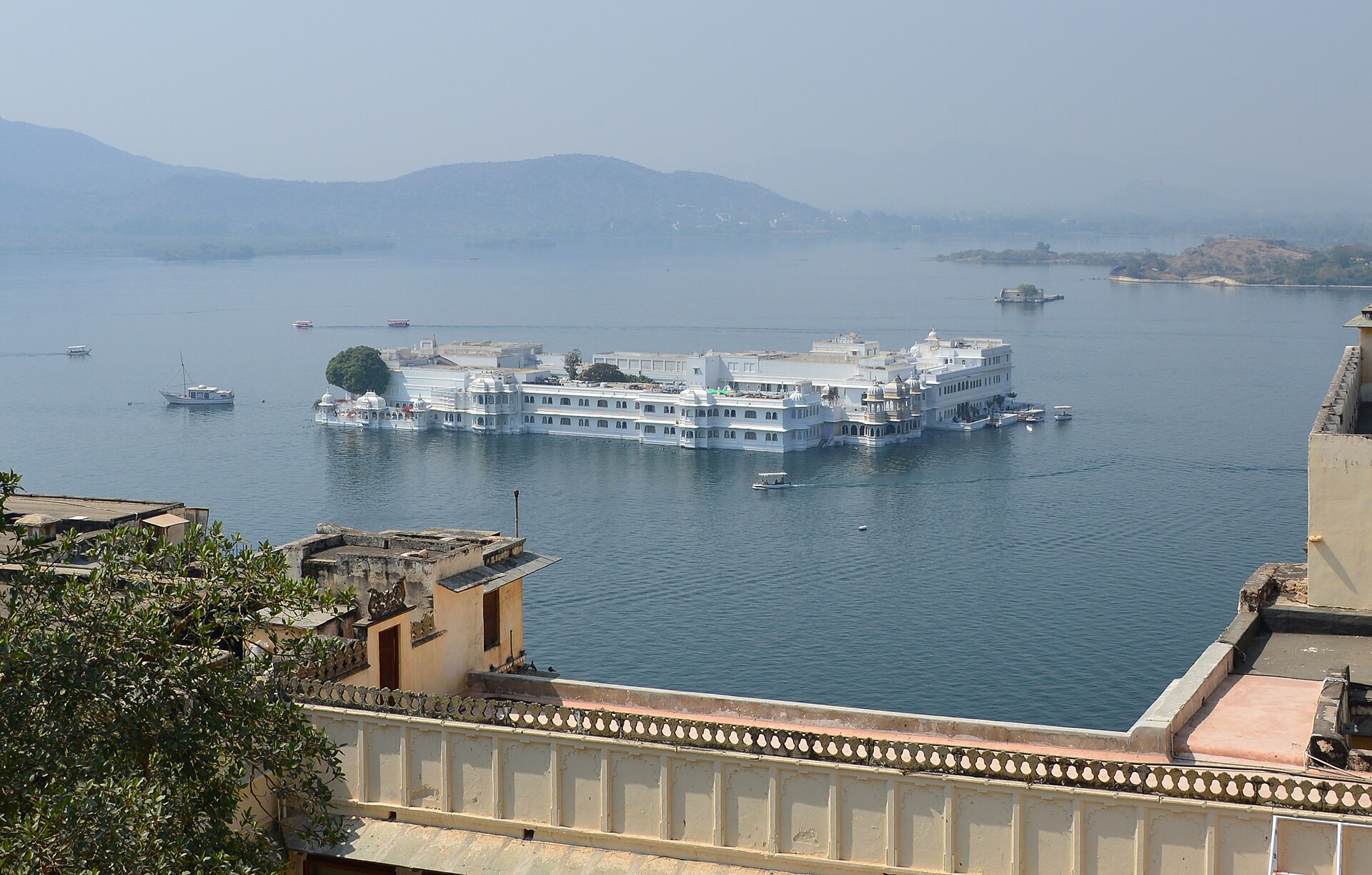
Most people arrive at the City Palace expecting one grand building and a ticket desk. What you actually get is closer to a walled town within the town: a run of connected palaces, courtyards, balconies and museum rooms that took the best part of four centuries to reach the shape it's in today, climbing the ridge above Lake Pichola in uneven layers of white and yellow stone.
Four centuries under one wall
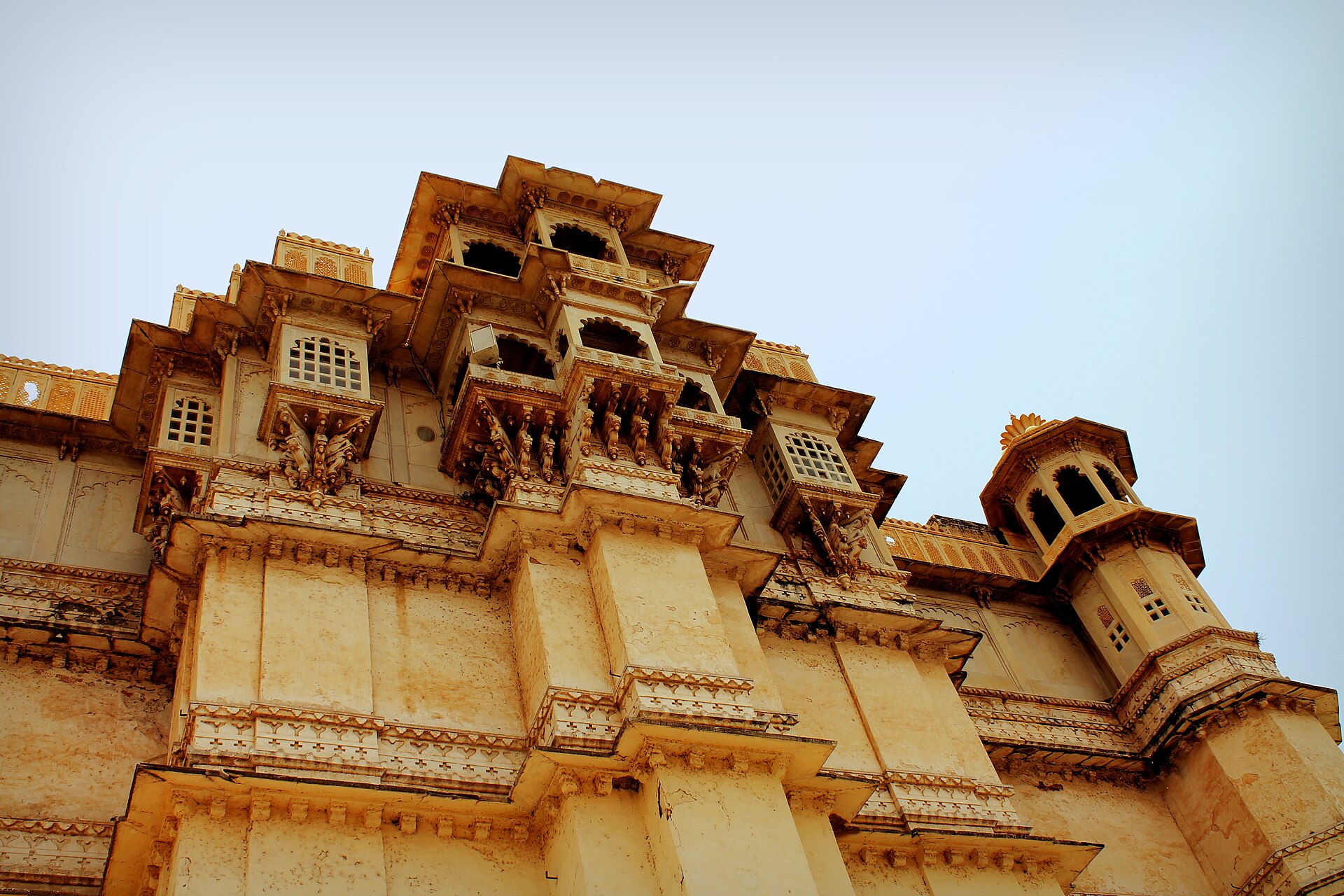
Construction is traditionally dated to the mid-16th century, begun by Maharana Udai Singh II not long after he founded Udaipur as a new capital following the sack of the old Mewar stronghold at Chittorgarh. What Udai Singh started, his successors kept extending for generations — each ruler adding a courtyard, a hall or a set of private apartments to suit his own taste, rather than tearing down what came before. That habit of building onto the existing structure, instead of replacing it, is the reason the palace doesn't read as one coherent design: domes, balconies and turrets from different periods sit shoulder to shoulder, and the roofline changes character every few dozen metres.
The result is loosely organised into a public half, where the Maharana held court and received visitors, and a private half where the royal family actually lived — the Zenana courtyards, tucked away from the main ceremonial route. Several sections of the wider palace estate are still a private residence today or are run as heritage hotels, and are not part of what you see as a visitor; the museum route covers a large but specific slice of the whole complex.
What the museum route actually shows you
Inside, the interest is less in any single "must-see room" and more in the accumulation of small, specific things: mirror-work ceilings, glass and porcelain inlay panels brought from China and the Netherlands, painted friezes of hunts and processions, and balconies positioned purely to catch the breeze off the lake. A recurring motif worth watching for is the sun — the Mewar dynasty traced its ancestry to the sun god, and that emblem turns up carved into gateways, painted on walls and set into balcony screens throughout the complex.
Courtyards are where the palace opens up. Some are narrow and shaded, built for privacy; others are wide enough that you can see three or four storeys of arcaded balconies at once, which is where you get a sense of how much the building grew rather than how it started. The views change constantly as the route climbs — narrow internal passages giving way, without much warning, to a terrace looking straight down over the lake and the hills beyond it.
Just outside the main palace gate, and easy to fold into the same visit, is Jagdish Temple — a carved stone temple dedicated to Vishnu, built in the mid-17th century by Maharana Jagat Singh I. It's a five-minute walk, not a separate outing, and most people visiting the palace pass its entrance steps whether or not they go in.
Planning your visit
Go as early as you can. The stone courtyards absorb heat quickly once the sun is properly up, and tour groups tend to build through mid-morning. An early start also means softer light for photographs on the lakeside terraces.
Wear shoes you don't mind walking a distance in. The route is a genuine walking circuit with stairs, ramps and uneven old flooring, not a flat indoor gallery — flip-flops and unstructured sandals get uncomfortable after the first hour.
Break the visit up rather than rushing it. Because the palace has no single obvious endpoint, it's easy to either stop too early and miss the quieter upper rooms, or push through fatigued. Treat it as a morning, with a pause for water and shade partway round, rather than a box to tick before lunch.
Photography is generally allowed in the courtyards and museum rooms, though some sections restrict cameras or charge separately for them, and this changes from time to time — look for signage at each entrance rather than assuming the last visitor's experience still applies.
Confirm the practical details locally. Opening hours, ticket categories, camera fees and which wings are open to the public are all things the palace administration adjusts periodically. We've deliberately left exact figures out of this guide because they go stale; check them at the ticket counter or the palace's own notice boards on the day rather than relying on anything printed elsewhere, including here.
Staying nearby
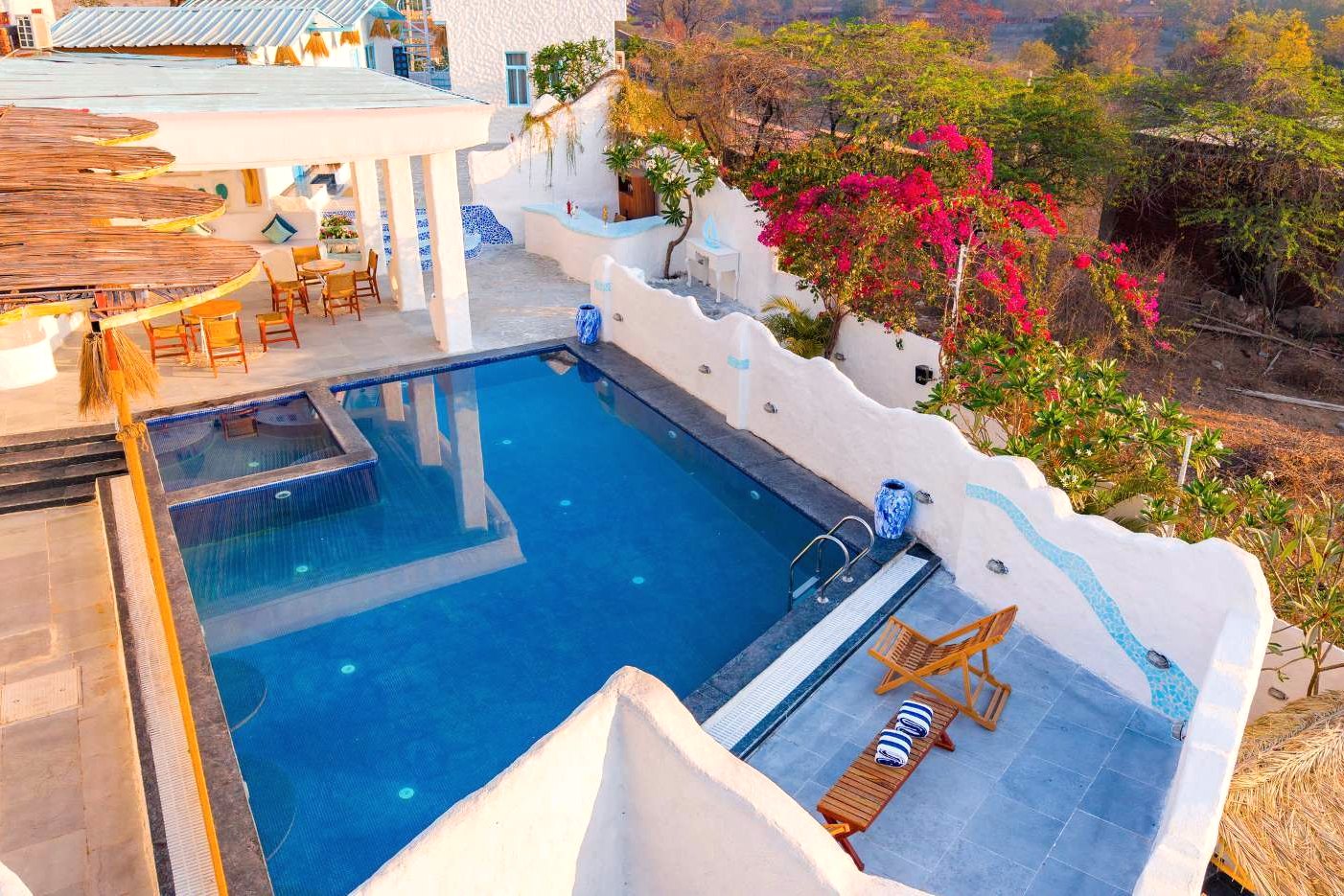
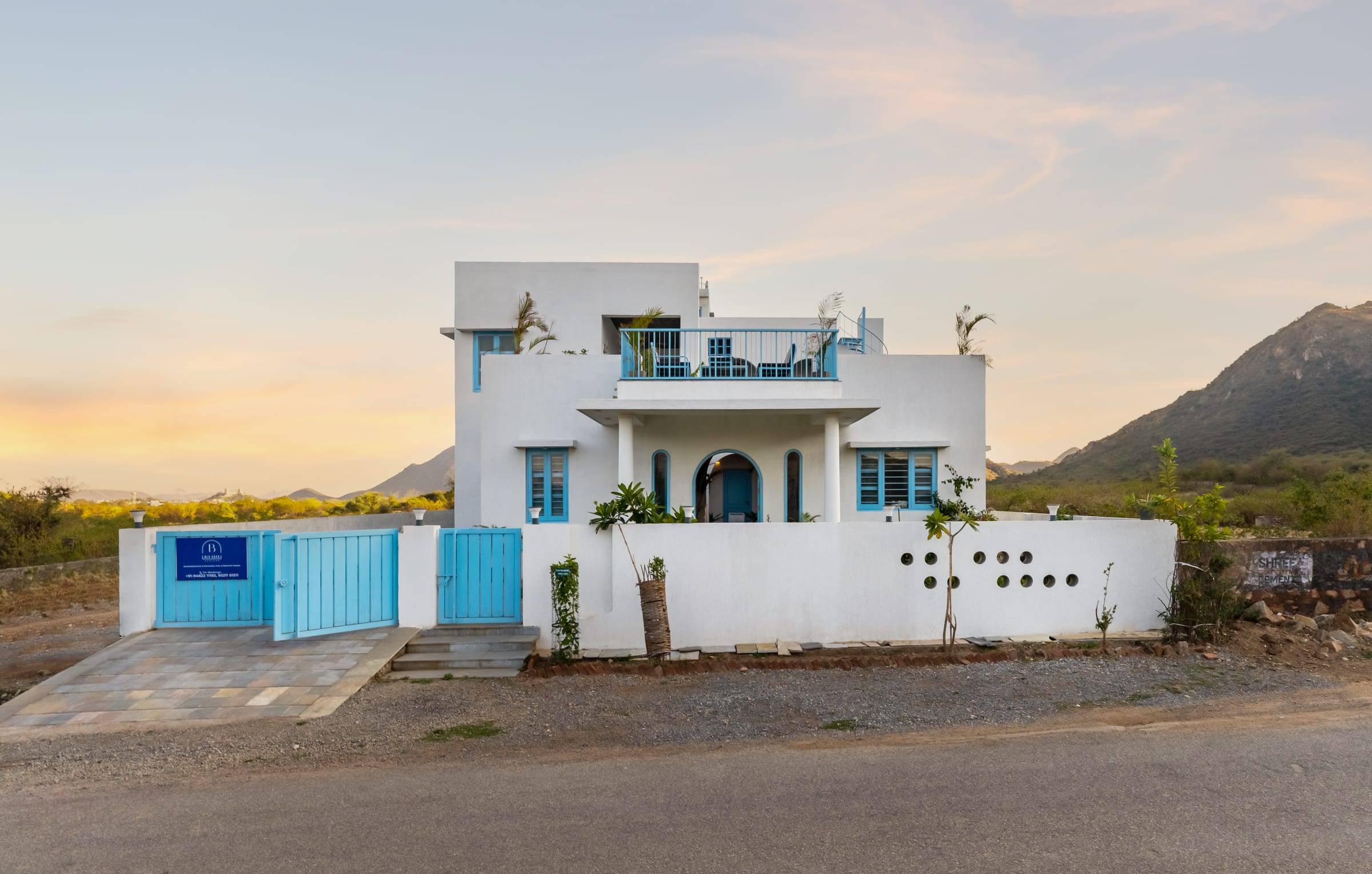
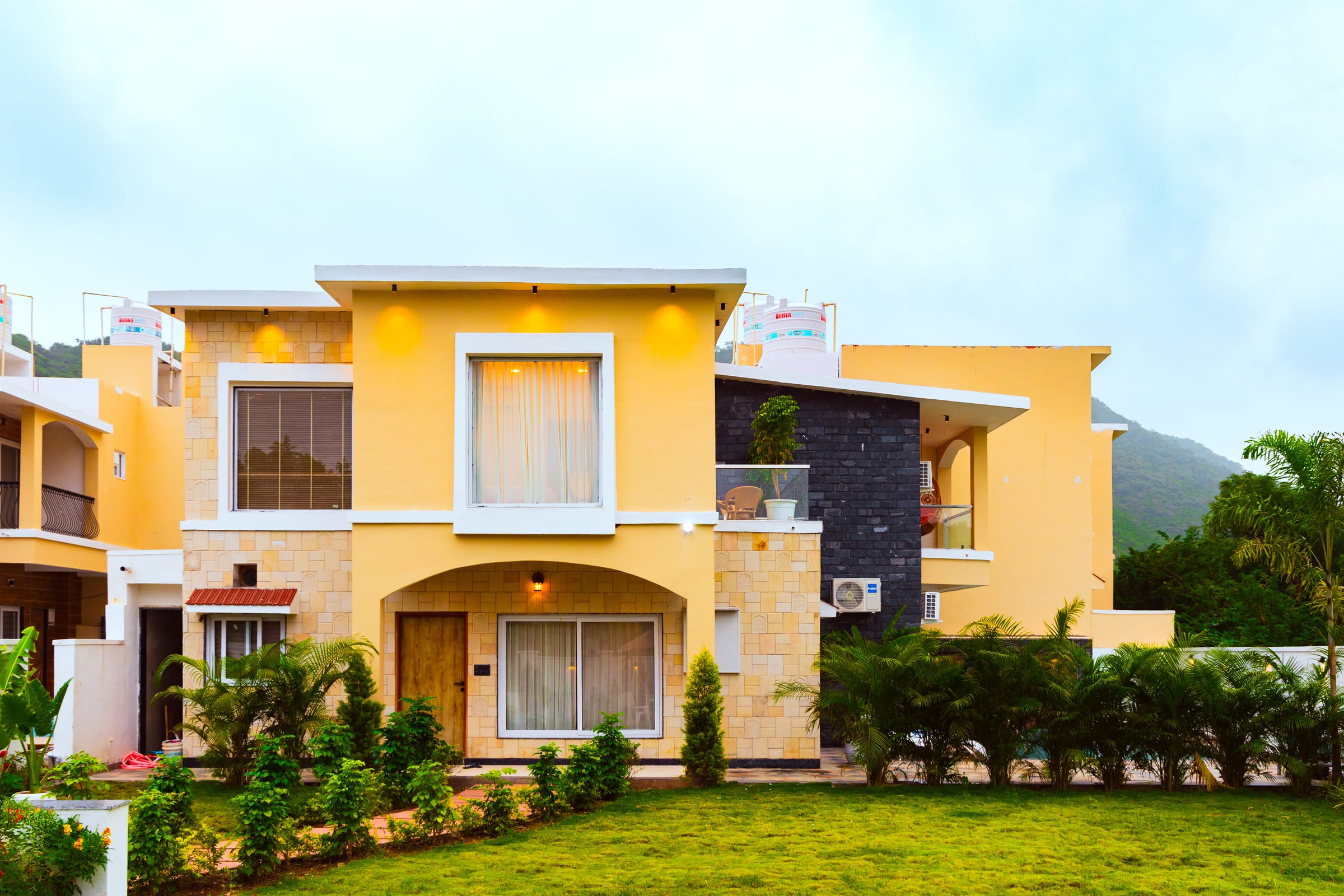
If you want the City Palace, the old city bazaars and the lake within a short drive rather than a long transfer, the side of Udaipur you stay on matters more than almost anything else about the villa. A base on the Fateh Sagar side keeps the palace within a few kilometres; villas further out trade a longer morning drive for more space, a bigger pool or a lawn. Every one of our private villas in Udaipur lists its real distance to the City Palace and the other sights on its own page, so you can compare before you enquire — and the villas below are ordered nearest first.
Plan the rest of the trip around it. Pair the palace with a boat ride on Lake Pichola, save the Saheliyon Ki Bari garden for a cooler morning, end a day at the Fateh Sagar promenade, and use our 3-day Udaipur itinerary to see how the days fit together.