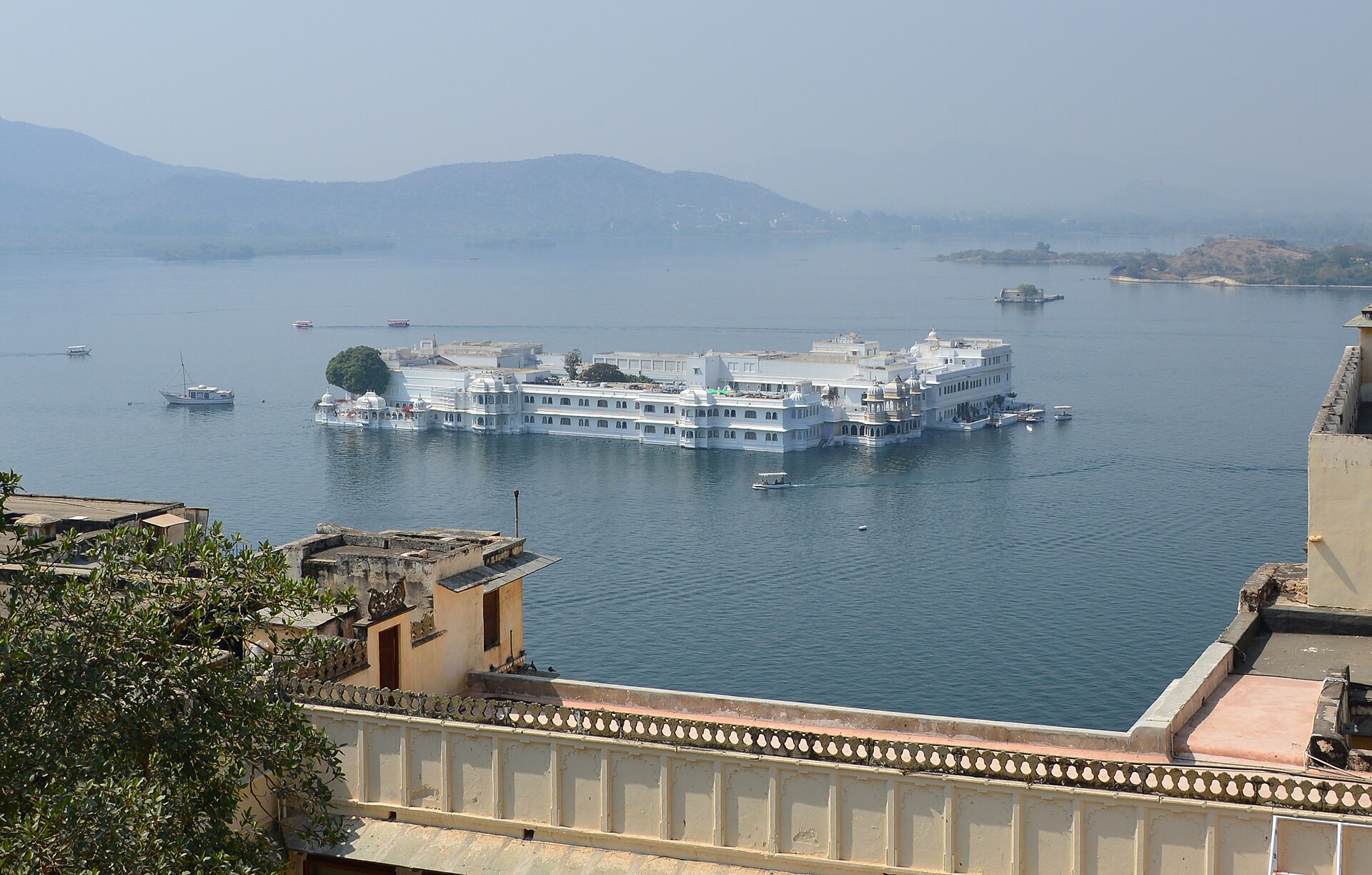
Every well-known photograph of Udaipur — the white palace rising straight out of the water, an island pavilion floating in front of the hills — was taken from a boat, not from the shore. Lake Pichola is where that image comes from, and getting out onto it for even twenty minutes changes how the rest of the city reads afterwards.
A lake older than the city built around it
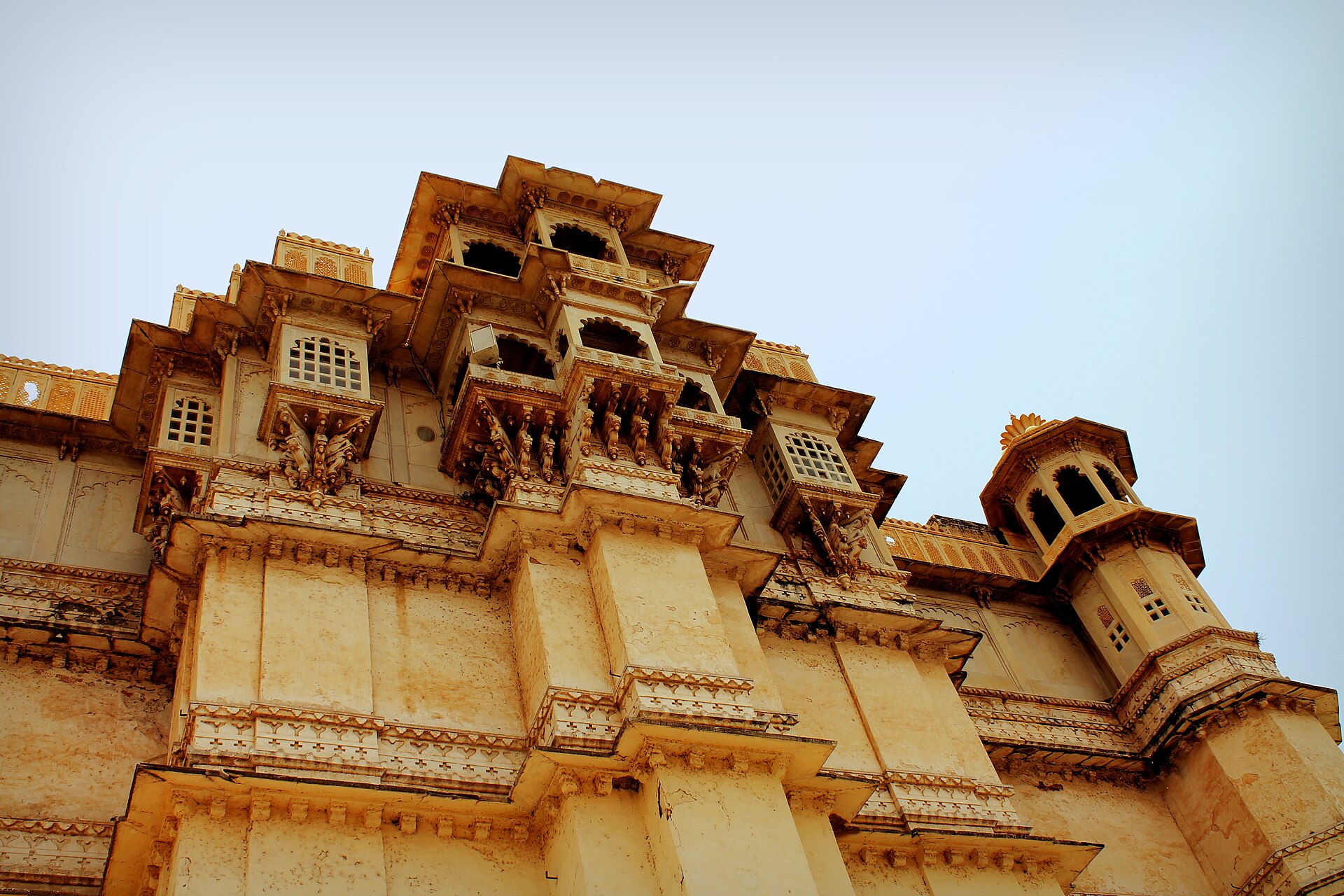
Lake Pichola is usually described as man-made, and in the sense that its extent and shoreline have been deliberately shaped, that's fair — but the water body itself predates Udaipur. It was enlarged through dam-building credited to the era of Maharana Udai Singh II in the 16th century, around the same time he was laying out the new capital on its banks, and it has been extended and maintained by the rulers of Mewar since. The City Palace runs the length of its eastern shore, which is no accident: a palace with the lake as its front garden was as much a statement of control over water in a dry region as it was a scenic choice.
Two structures dominate the view once you're on the water. Jag Mandir, the older of the two island palaces, dates to the early-to-mid 17th century and is associated with a period when the future Mughal emperor Shah Jahan is said to have taken refuge there during a dispute with his father — a story that's part of local lore rather than something you need to verify to enjoy the place. The Lake Palace, the more photographed of the two, was built later, in the 1740s under Maharana Jagat Singh II, as a summer palace and is now run as a hotel rather than open to casual visitors.
What a ride is actually like
Rides run as short loops from jetties close to the City Palace, and the pattern is the same regardless of which operator or boat type you end up with: out across open water, a pass close to Jag Mandir, a curve past the Lake Palace, and a long view back at the full sweep of the City Palace frontage and ghats from mid-lake — an angle you simply cannot get standing on land. The loop is brief by design. It isn't meant to be a lake cruise so much as a change of vantage point, and most of what makes it worthwhile happens in the middle third of the ride, once you're far enough out to see the whole shoreline at once.
Boats vary from larger shared vessels to smaller private ones, and which is running on a given day depends on demand and the operator. None of that changes what you see; it mostly affects how much you're sharing the deck rail with other passengers.
Choosing when to go
Late afternoon gives the softest, warmest light on the palace's pale stone and the best reflections on calm water — it's also, unsurprisingly, when the jetty queues are longest, since everyone reads the same advice about light.
Early morning or midday, by contrast, gives you a shorter wait and a completely different, harder-edged look to the water and stone, which some photographers actually prefer for contrast even if it's less classically "golden."
Weekdays tend to be calmer than weekends and public holidays, when the jetties fill with day-trippers from other parts of Rajasthan as well as tourists.
The season matters more than the time of day. Right after a strong monsoon, the lake is at its fullest and most photogenic, lapping close to the ghats. In a dry year, or late in a poor monsoon season, the water level can drop enough to change how the palace appears to sit in it, and can occasionally affect which routes or jetties are in use.
Practical points worth knowing before you go
- Operators, boat types, prices and timings differ and change between seasons and even week to week. Rather than relying on a fixed figure, treat whatever you're quoted at the jetty on the day as the current answer.
- Life jackets are standard and usually mandatory for children — expect staff to insist on them being worn properly rather than just carried.
- The jetty area gets busy and a little chaotic at peak times, with touts and multiple ticket counters; a few minutes of patience choosing where to buy from is normal, not a sign anything is wrong.
- Pair it with the City Palace. The palace and the main jetties sit close enough together that doing both in one outing — palace first while it's cooler, boat ride once the crowds and the sun have both risen — is the natural order. See the City Palace guide for how to plan that half.
Staying nearby
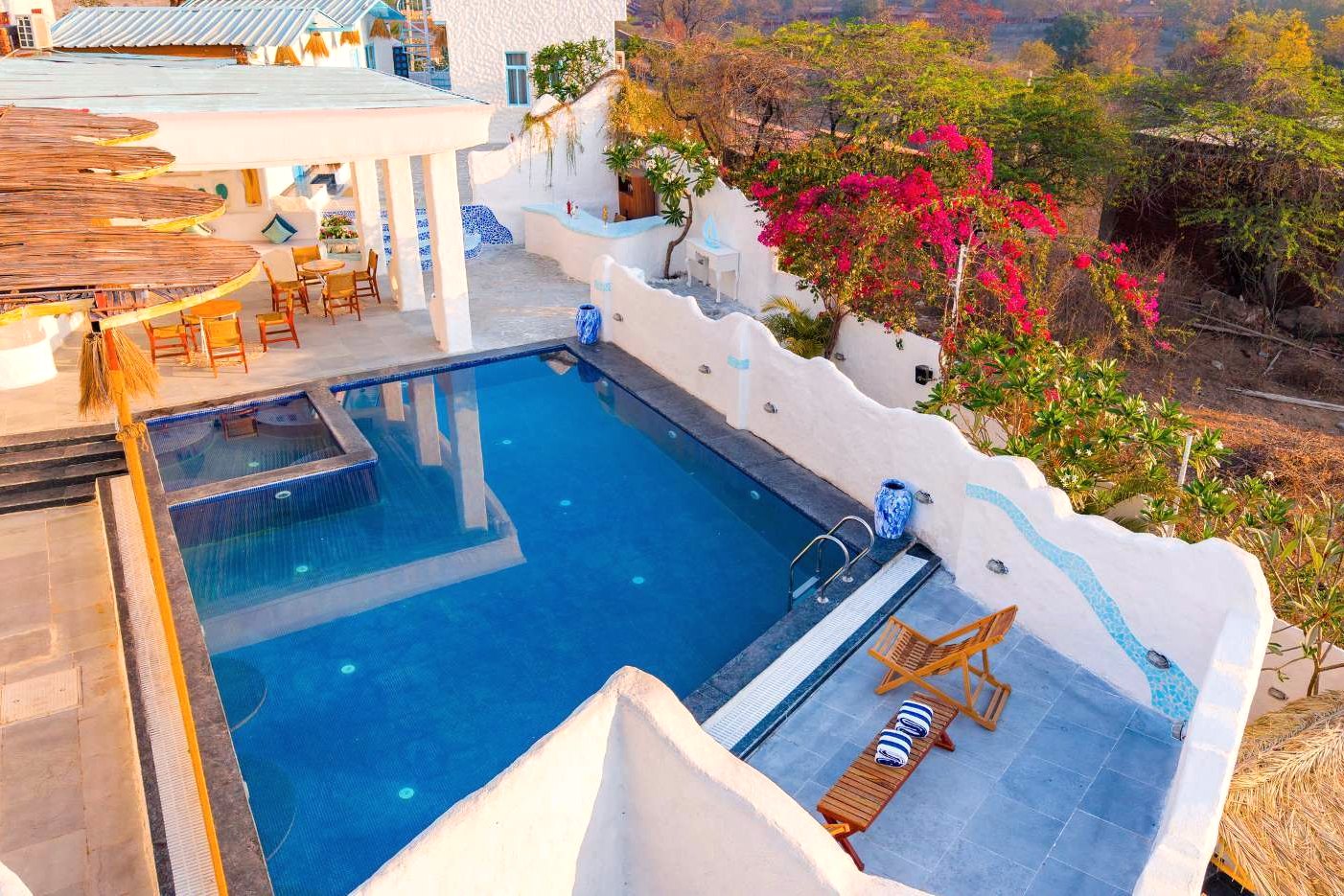
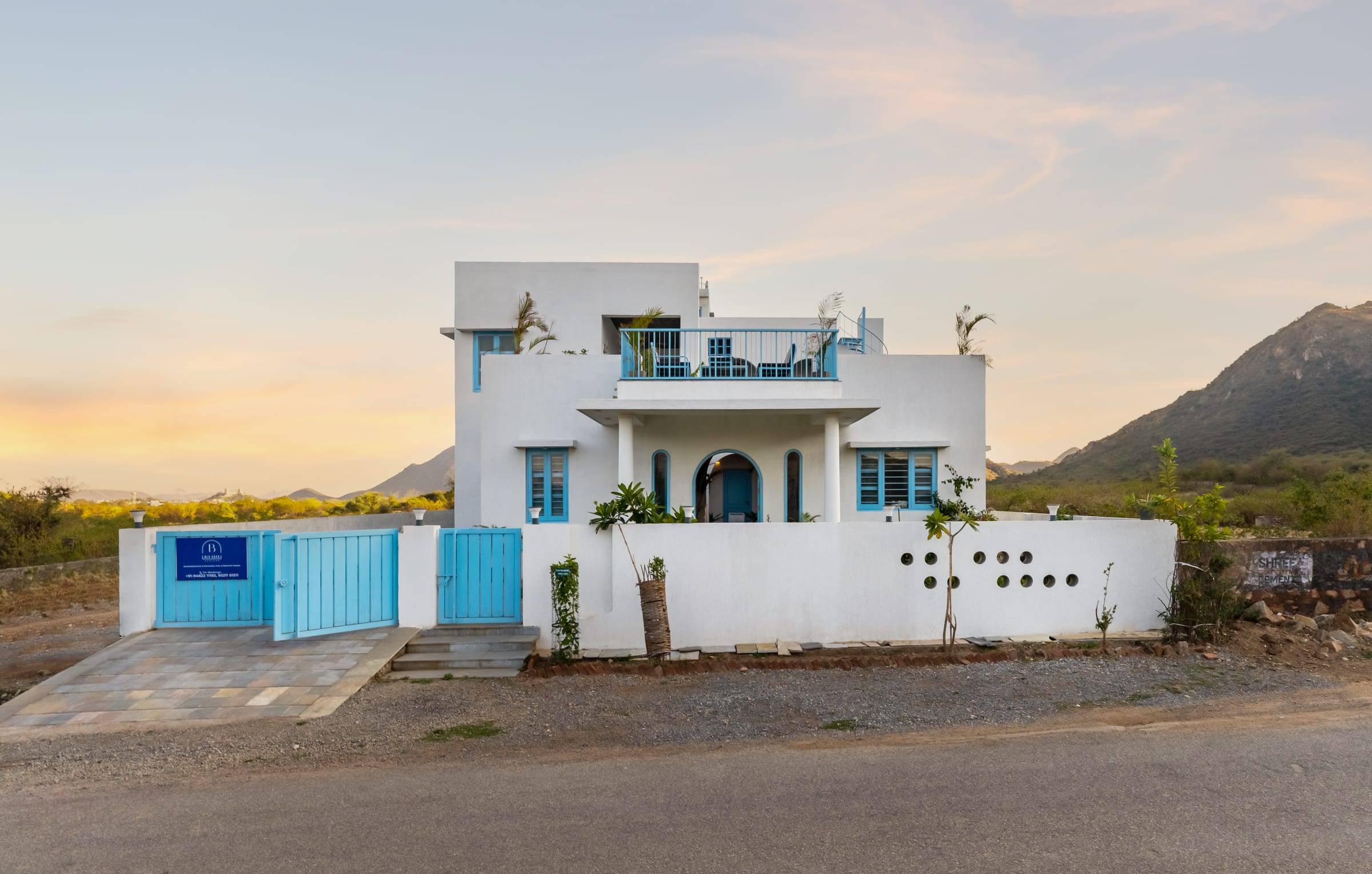
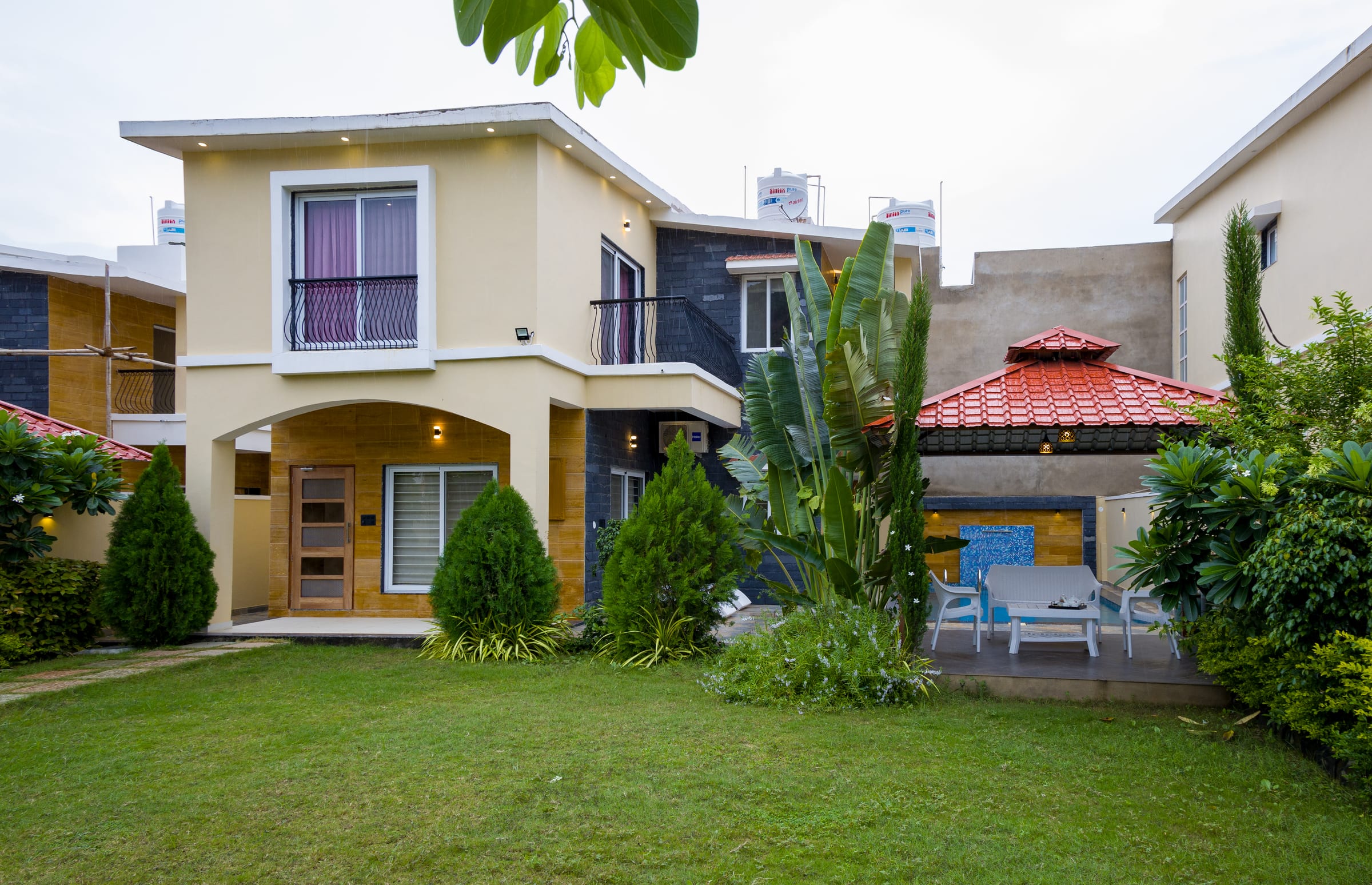
The jetties are on the old-city side, so the closer your villa is to the City Palace the easier an evening on the water becomes — a spontaneous trip rather than something you plan half a day around. Villas on the Fateh Sagar side of town sit within a short drive; villas further out are better treated as a planned outing. Each of our Udaipur villas lists its distance to the city's main sights, and the ones below are ordered nearest first.
A boat ride sits well in a day with other things: see the City Palace guide for the morning half, the sunset points guide if you would rather watch the light from the hills, and our best time to visit Udaipur notes for how water levels and seasons change the ride.