Most temples on a tourist route are visited; Eklingji is used. It sits north of Udaipur as a working shrine with its own daily rhythm of worship, not a monument preserved behind a rope, and that distinction shapes almost everything about how you should plan a visit to it.
The temple the Mewar dynasty calls its own
Eklingji is dedicated to a form of Shiva and, according to long-standing local tradition, has origins going back many centuries — local accounts link its founding to Bappa Rawal, the semi-legendary founder-figure of the Mewar dynasty, though as with much early temple history the exact dating is a matter of tradition rather than settled record. What is well established is the temple's ongoing relationship with the Mewar rulers of Udaipur: Eklingji is regarded as the family's presiding deity, and the Maharanas of Mewar have historically described themselves as custodians ruling on the deity's behalf rather than as sovereigns in their own right. That's not a ceremonial footnote — it's the reason this particular temple, among the many in the region, carries the weight it does.
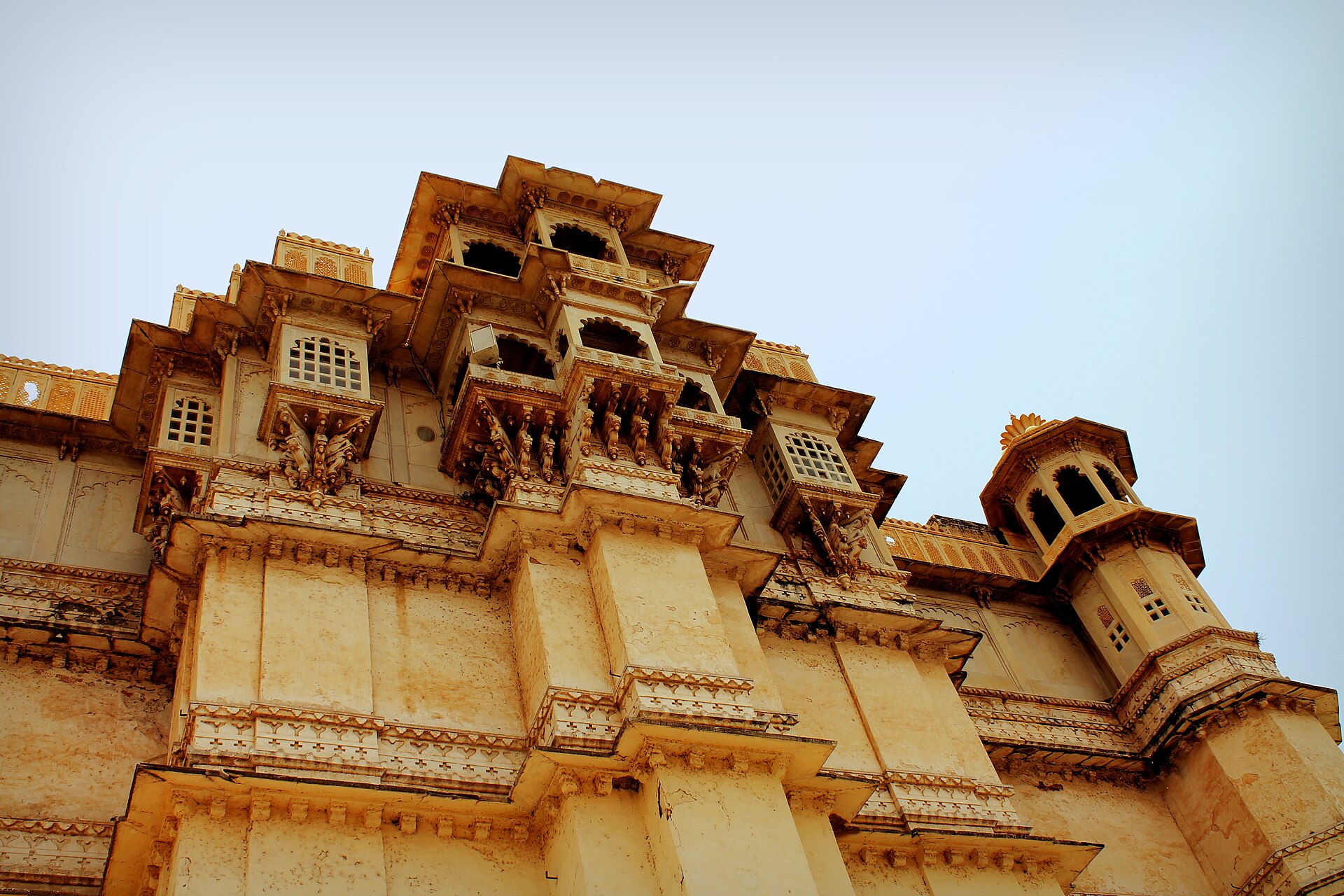
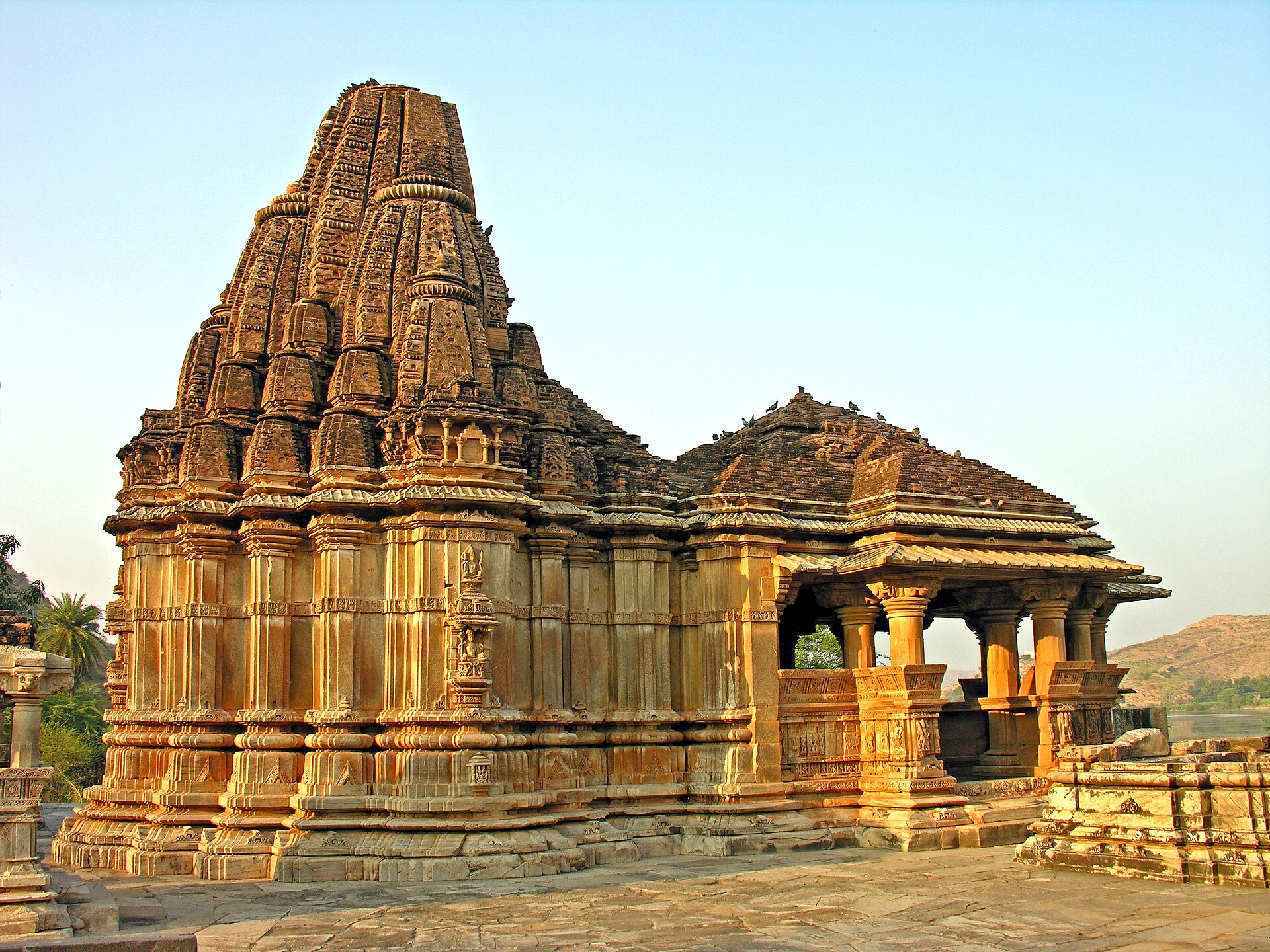
The complex itself has been rebuilt and expanded over the centuries under different rulers, which is why it doesn't read as a single architectural moment. What you see today is a cluster of stone temples enclosed within a walled compound, built around the main shrine, with the individual structures varying in age and style — some plain and old, others more heavily carved, added by patrons across different periods of Mewar rule.
What visiting is actually like
Walk in and the atmosphere immediately signals that this is a place of active worship rather than a tourist stop with a religious backdrop. There will be other visitors, but also pilgrims, priests going about the temple's routine, and the general unhurried business of a shrine that has operated continuously for a very long time. The stone courtyards, carved doorways and the main shrine itself reward slow looking rather than a quick circuit — it's the kind of place where standing still for a few minutes tells you more than walking fast through every corner.
Dress modestly. Shoulders and knees covered is the baseline expectation, and it's worth arriving already dressed appropriately rather than relying on being able to improvise at the gate.
Expect to remove your footwear, as at any Hindu temple, and to pass through some form of security or bag check — carrying as little as possible makes this smoother.
Photography is commonly restricted, particularly around the main shrine, and the rules can be stricter on festival days when the temple is at its busiest. If a photograph matters to you, ask rather than assume.
Darshan routines follow the temple's own schedule, which can shift around festival dates and other observances specific to the temple calendar. This isn't something a general guide can pin down reliably, since it isn't fixed the way a museum's opening hours are — check locally, ideally a day or two ahead if your visit is time-sensitive.
Getting there and timing it well
Eklingji sits on the road running north out of Udaipur, through hill country that's worth the drive on its own terms. It works well as a half-day trip: leave in the morning, allow time at the temple itself without rushing, and use the same drive to take in the surrounding countryside rather than treating the temple as an isolated errand. Traffic on the route is generally light compared with the city centre, though festival dates can bring noticeably more visitors and vehicles converging on the same road.
Combine it with
The road north connects naturally to other temple and lake sites in the region, which is why many visitors treat this stretch as a loop rather than an out-and-back trip. See our 3-day itinerary for villa guests for one way to pace a longer trip that includes Eklingji alongside the city's lakes and palaces, rather than trying to fit everything into a single rushed day.
Staying nearby
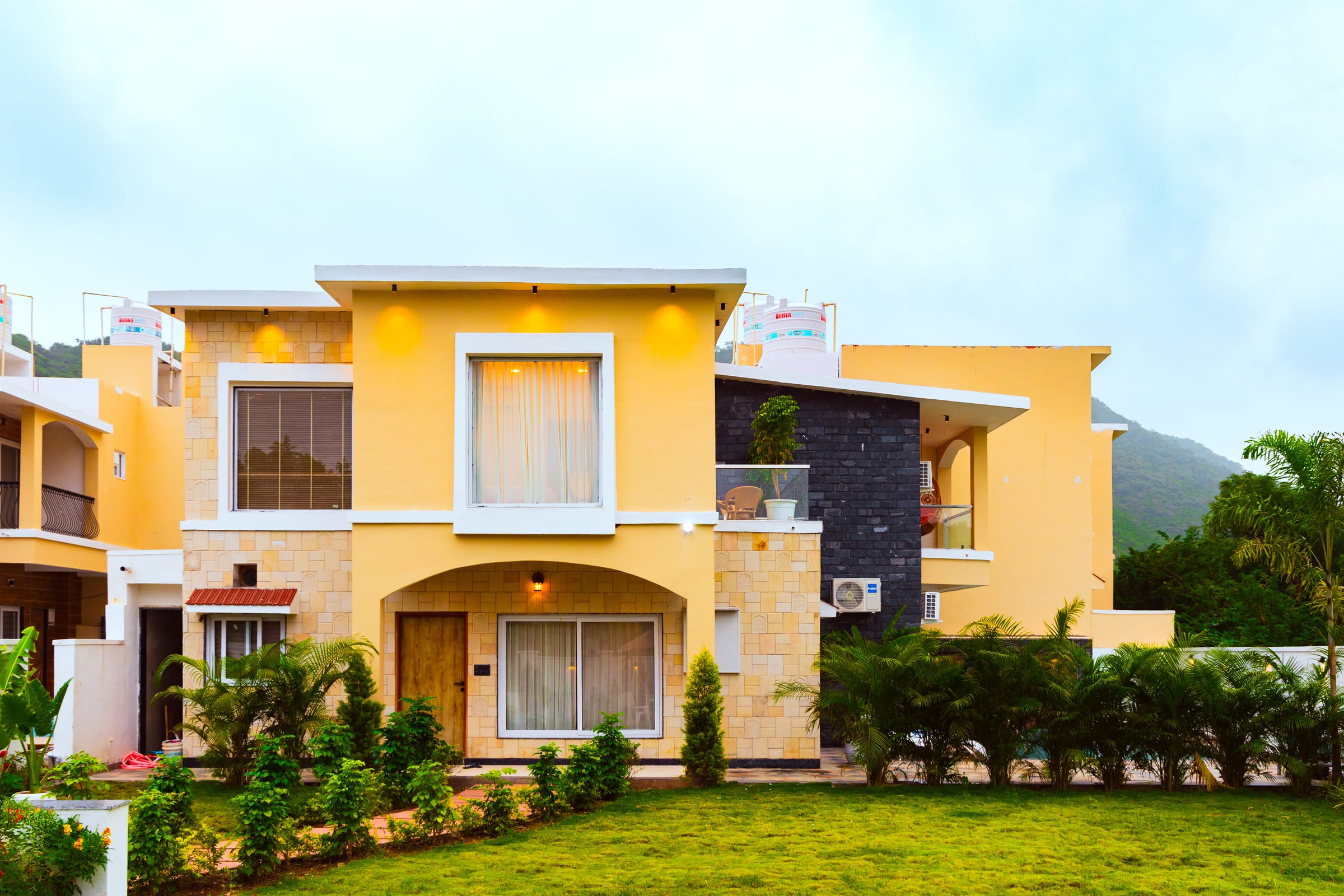
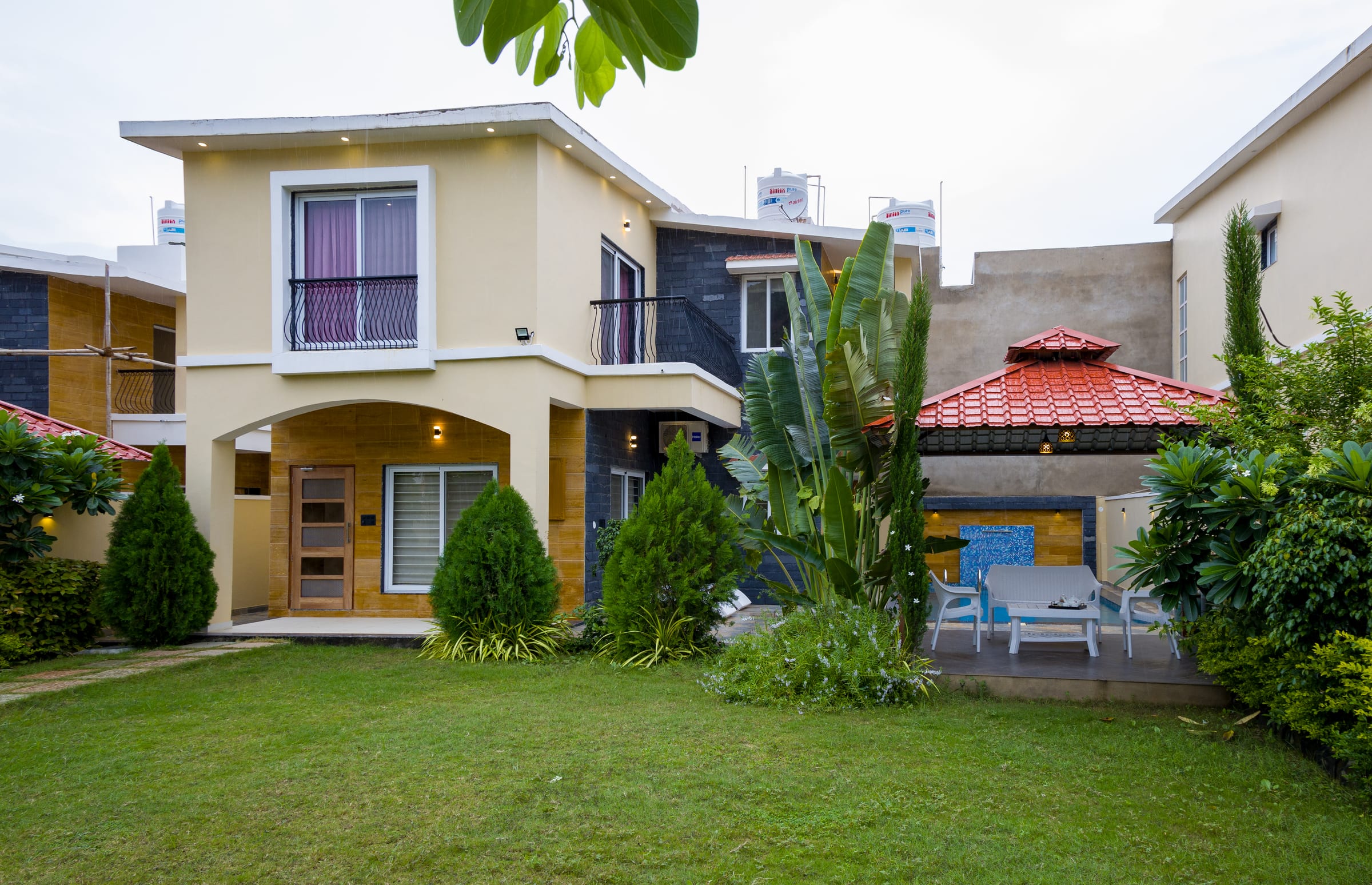
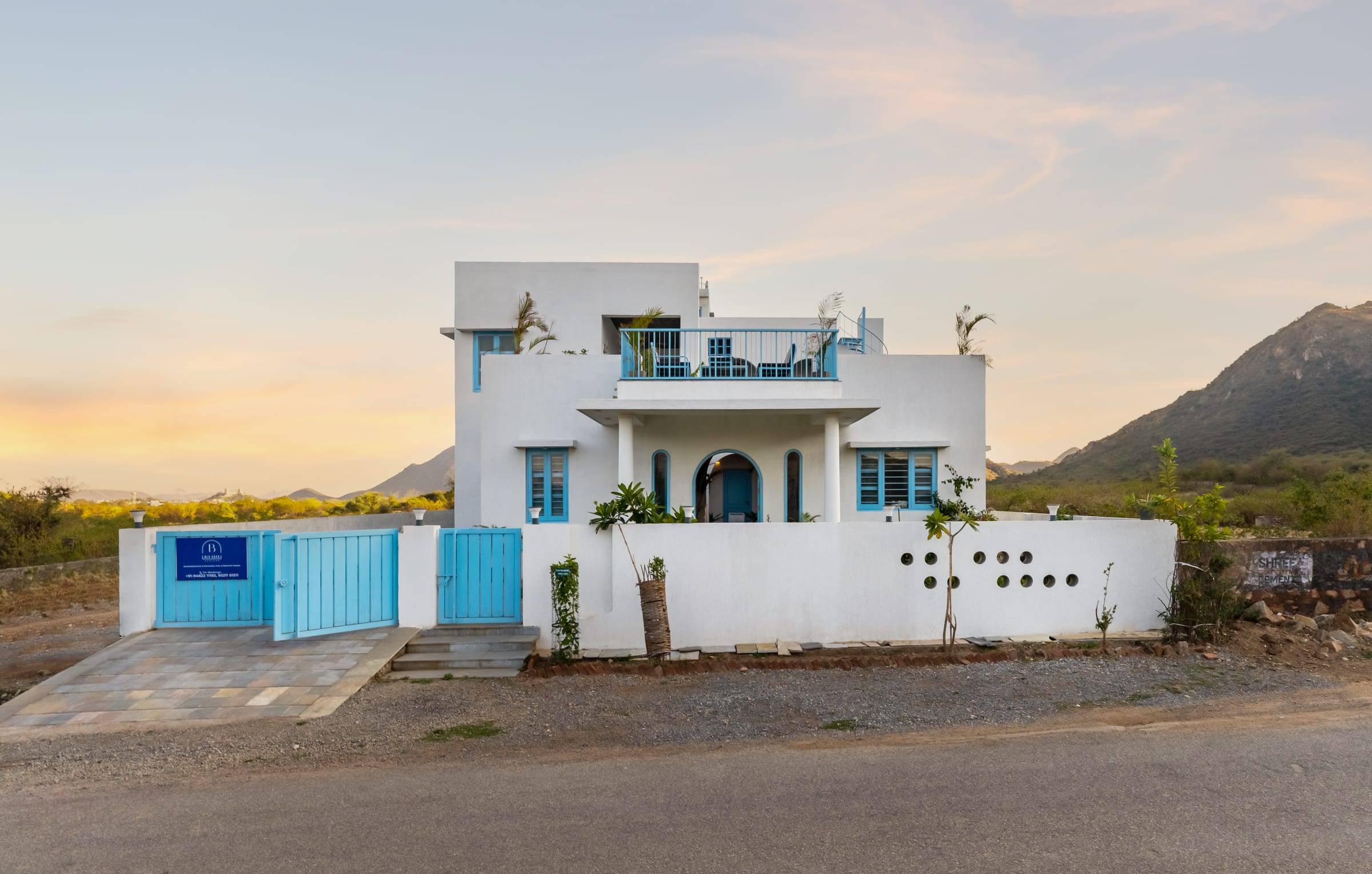
Because Eklingji sits well north of the city centre, a villa on the northern side of Udaipur makes the visit a morning outing that does not eat into the rest of the day, while a base closer to the old city turns it into a planned excursion. Each of our private villas in Udaipur lists its real distance to Eklingji where it applies, and the villas below are ordered nearest first.
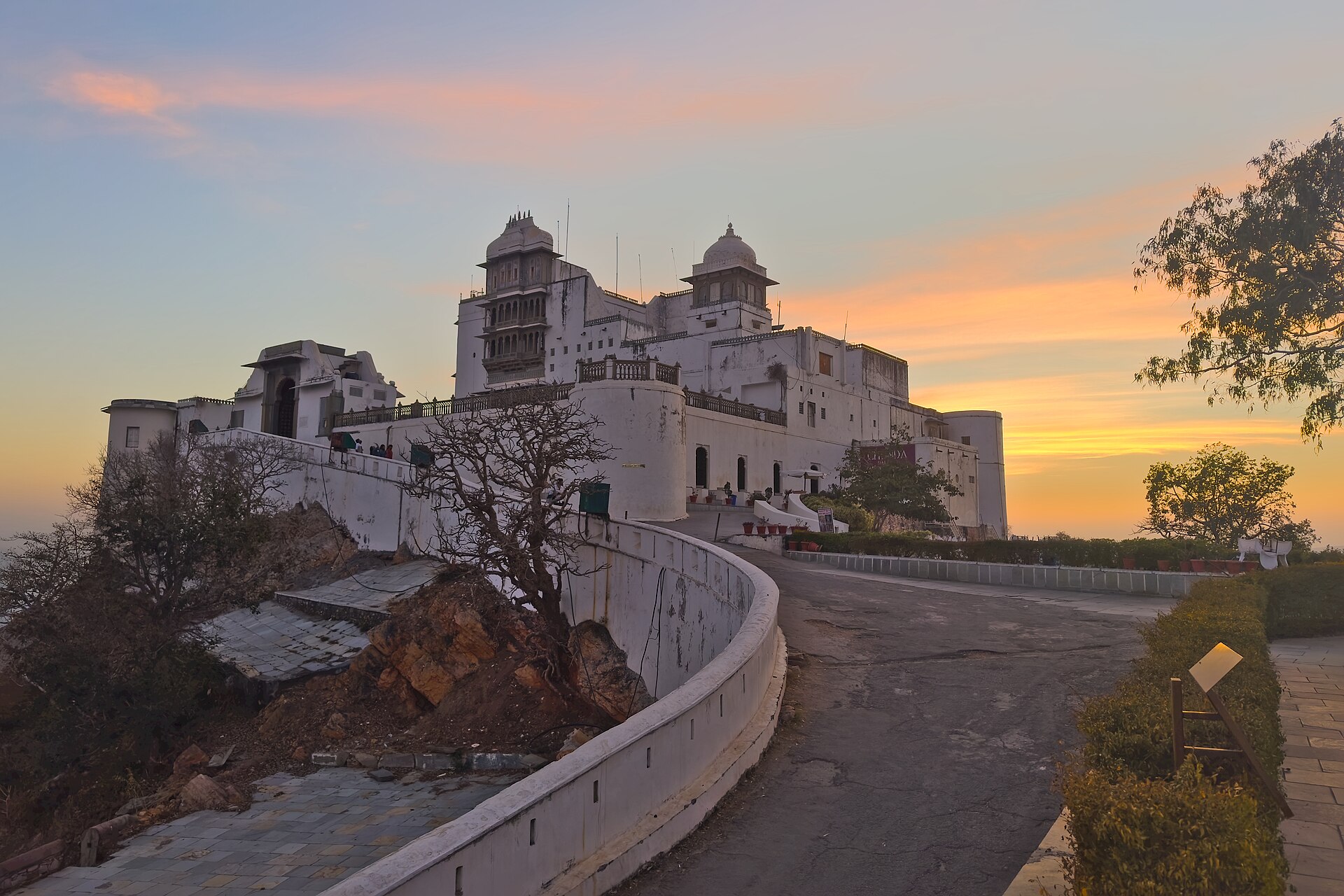
Plan the rest of the trip around it: Eklingji works well with the hilltop and lake options in our sunset points guide, a morning at the City Palace on another day, and the pacing in our 3-day Udaipur itinerary.