Not every garden needs to be large to be worth a visit. Saheliyon Ki Bari is small enough to walk in full within the hour, and that's exactly its appeal — a shaded, quiet counterpoint to the scale of the City Palace, built for a much more private kind of pleasure than a public monument.
A garden built for the women of the court
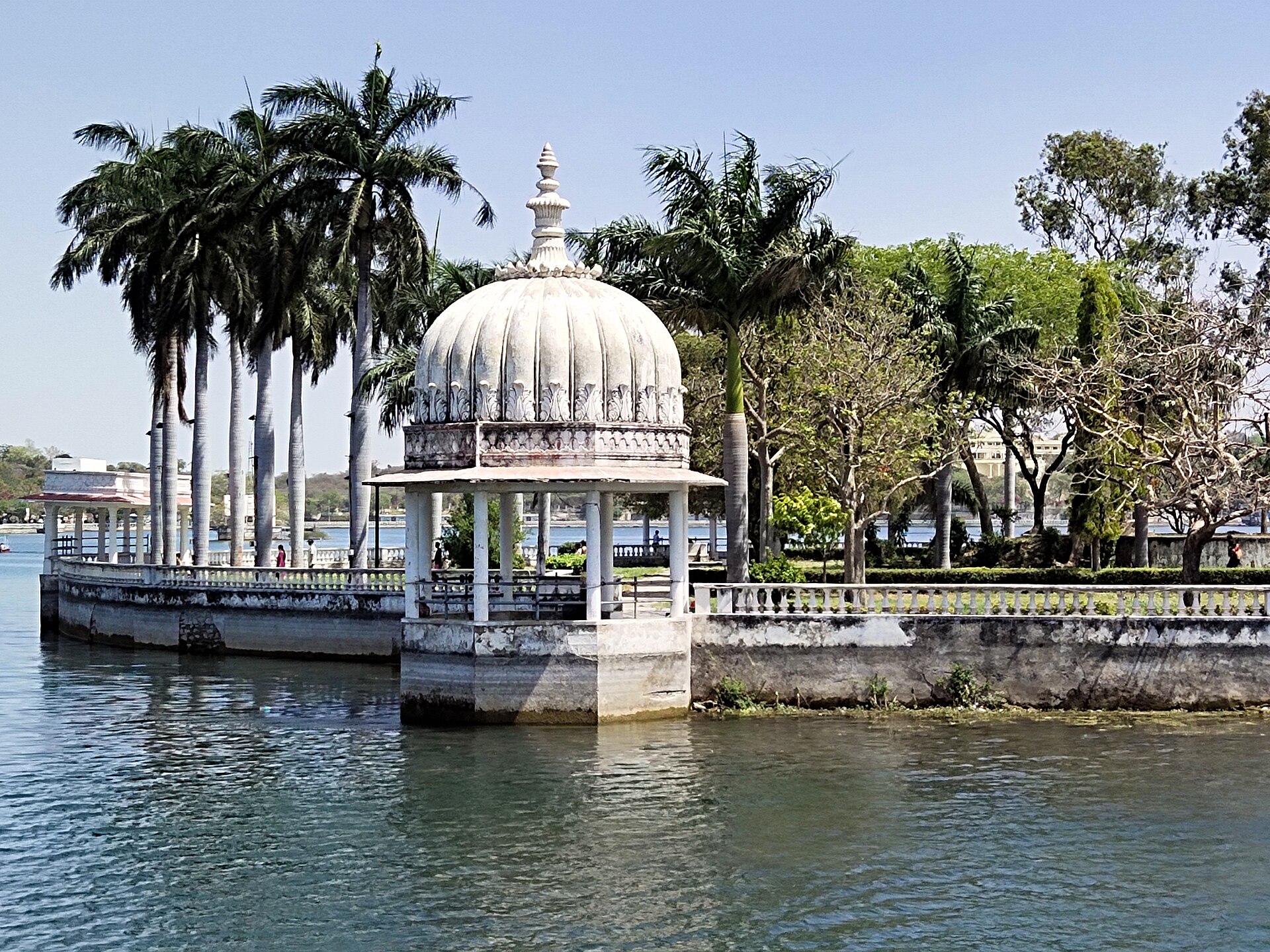
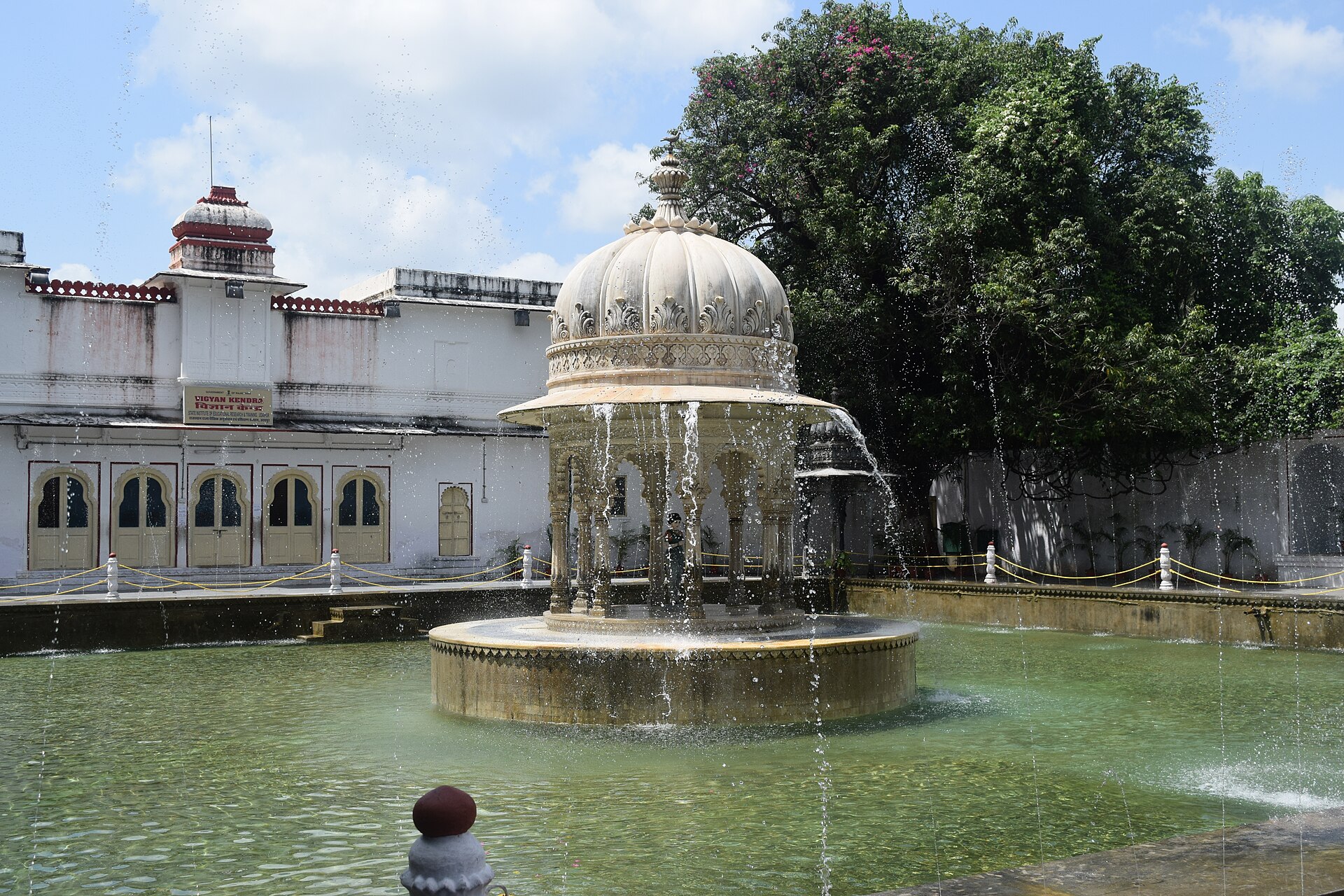
The garden dates to the early 18th century, traditionally credited to Maharana Sangram Singh II, and its name — "the garden of the maidens" — points directly at who it was made for: the young women of the royal household, given a walled, shaded space of their own away from the more formal and public parts of the palace. That origin shapes the whole layout. Where the City Palace was built to project authority to visitors and subjects alike, Saheliyon Ki Bari was built for people who already lived within the court, which is why it feels intimate rather than ceremonial — fountains, lotus pools, marble kiosks and carved elephants arranged for a slow walk and quiet conversation rather than a procession.
Water is the organising idea throughout. Channels, fountains and small pools run through the garden, historically fed by careful engineering to bring water from nearby sources at a time when moving water uphill and maintaining a constant flow was itself a considerable technical achievement — worth remembering as you walk past what now look like simple ornamental features.
Why an hour here is enough — and worth it
The garden doesn't ask for a half day, and treating it like a major sight misses the point. It's small, walled, densely planted and shaded compared with almost anywhere else on a typical Udaipur itinerary, which makes it a genuinely pleasant place to slow down rather than another site to tick off.
Go in the morning. The garden is at its coolest and least crowded early in the day, and the light through the trees onto the fountains is better than the flatter light of midday.
Treat it as a walk, not a checklist. There's no single "main attraction" to rush toward — the pleasure is in the fountains, the pavilions and the lotus pool cumulatively, which rewards an unhurried pace more than almost anywhere else in the city.
Ask about the fountains when you arrive. Whether they're running depends on timing and maintenance rather than a fixed schedule, and it's a five-second question at the gate rather than something worth guessing about in advance.
Don't expect a long visit, and don't be disappointed by that. Most visitors are done in under an hour. That's a feature of the place, not a shortfall — it's designed to be a pause, not a destination.
Combine it with
Saheliyon Ki Bari sits close to Fateh Sagar Lake, and the two work naturally as one outing: the garden in the cooler part of the morning, then the lake for an evening walk once the temperature drops again. See our Fateh Sagar Lake guide for how to plan that second half of the day. It also sits within a reasonable drive of the City Palace, making it an easy add-on to a City Palace morning if you'd rather see something smaller and quieter before or after the palace's crowds — see our City Palace guide for how the two compare in scale and pace.
One practical note: entry arrangements and fees for the garden are reviewed and adjusted periodically, so we've deliberately left specific figures out of this guide. Confirm them at the gate on the day rather than relying on anything you've read elsewhere, including here.
Staying nearby
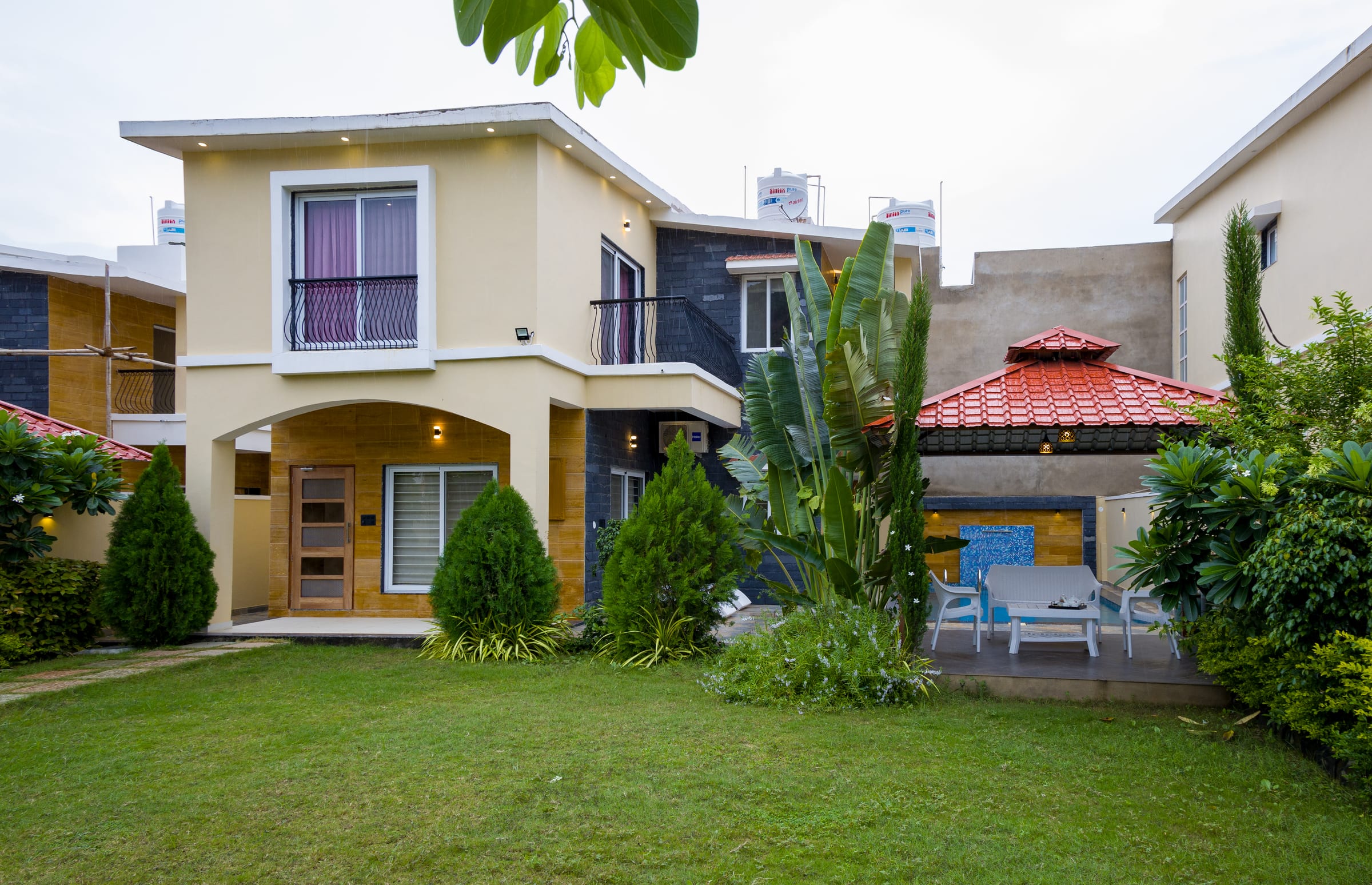
Villas on the Fateh Sagar side of the city put both the lake and the garden within a short drive, which makes Saheliyon Ki Bari an easy morning stop without committing much of the day to getting there and back. Villas further out make it more of a planned outing. Every Udaipur villa we list shows its distance to the garden on its own page, and the ones below are ordered nearest first.
Pair the garden with an evening at Fateh Sagar Lake, a morning at the City Palace, or read our notes on a family villa holiday in Udaipur for how to pace slower days like this one.